How to Read the Land for Deer Hunting in Different Terrains
by: Daphane Cassidy
Here’s how to find deer in woodlands, farm fields and mountainous terrain.
Deer hunting success can be attributed to a few key skills, one of which is learning how to “read” the land. No matter if you’re walking the hardwoods, scouting open farmland or climbing into rugged mountain country, deer use the terrain in predictable ways. The hunter who understands these patterns gains a serious advantage.
From bedding areas tucked into thick cover to travel routes along fencelines or ridgelines, deer behavior is shaped by their surroundings. In this guide, Andrew McKean breaks down how terrain impacts movement—and shares proven strategies to help you adapt whether you’re in the woods, fields or high country.
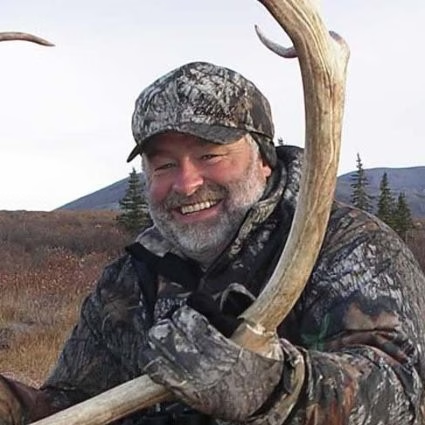
By Andrew McKean
Most how-to deer hunting pieces tell you how to set a treestand or how to trim a shooting lane. Some may even offer some wisdom on setting up between bedding areas and food sources. And if they really provide value, they’ll tell you how wind influences your stand locations.
This is not that kind of how-to article. Instead, it’s one that takes a larger view of the problem most deer hunters face, which is figuring out how to hunt various types of terrain. I’m talking specifically about the sorts of landscape types that dominate the public land that you and I hunt because we can’t afford a private-land deer lease where we control the variables.
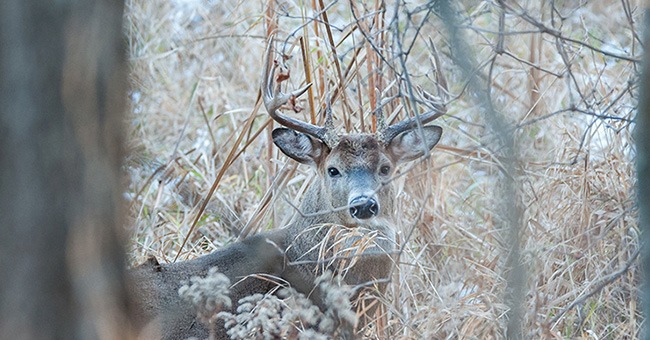
Public land from coast to coast has one common denominator: It’s marginal. These lands entered the public domain because they weren’t valuable for agricultural, residential or other private commercial use. Consequently, the best public deer ground is often steep, rocky, weedy, and raw—all factors that can improve the hunting if you know how to read the terrain.
On public land, the variables are too numerous to mention, but they tend to fall into three themes: accessibility, landscape type, and hunting style.
We’ll pick apart three different-but-common landscapes, and then apply the other two variables—accessibility and hunting style—to each. I hope you recognize your local public parcel in these descriptions.
How Do Deer Use Woodlands?
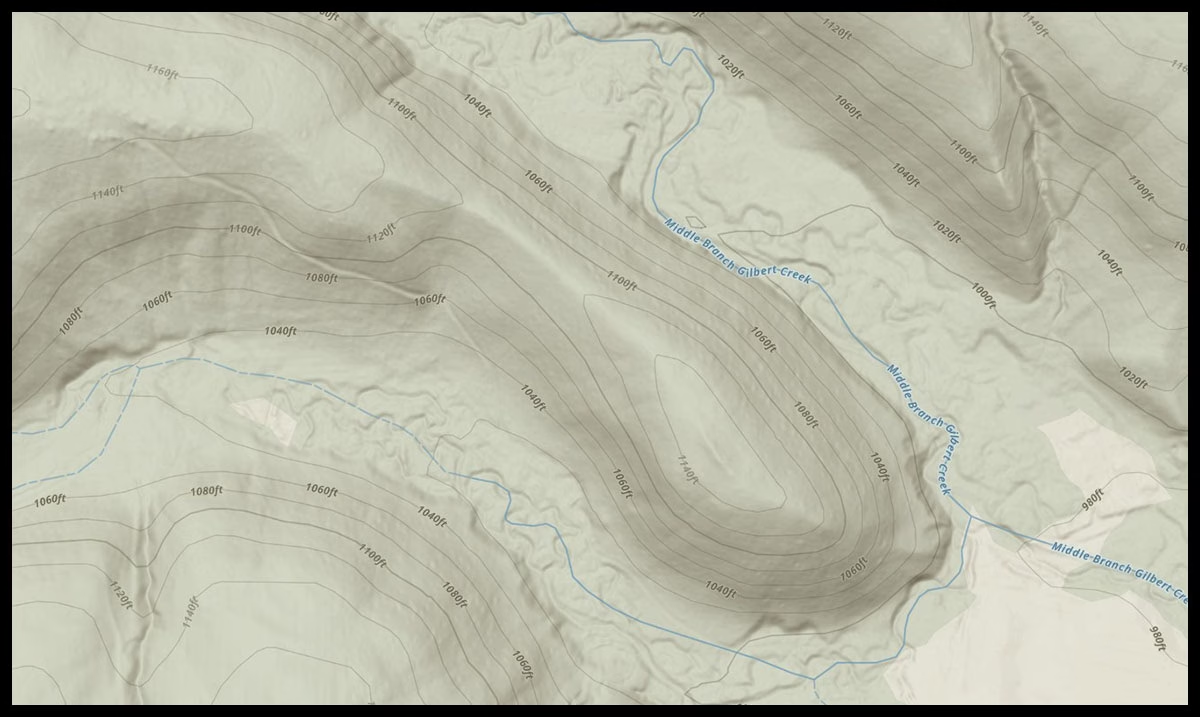
The types of public land in this category include swatches of state forest in the Northeast, some overgrown game lands in Pennsylvania, the hardwoods along the spine of the Appalachian and Blue Ridge mountains, and much of the logged-over forests from Michigan’s Upper Peninsula down through the white-oak Ozarks.
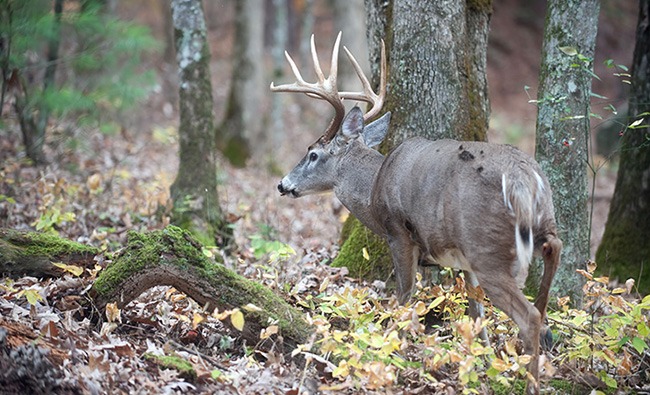
These public properties tend to be grown over and fairly sterile in terms of wildlife value. But they serve as productive transition zones for whitetails, providing bedding areas, mast production in good acorn years, and terrain that rewards hunters who get away from the easy access spots and work the interiors.
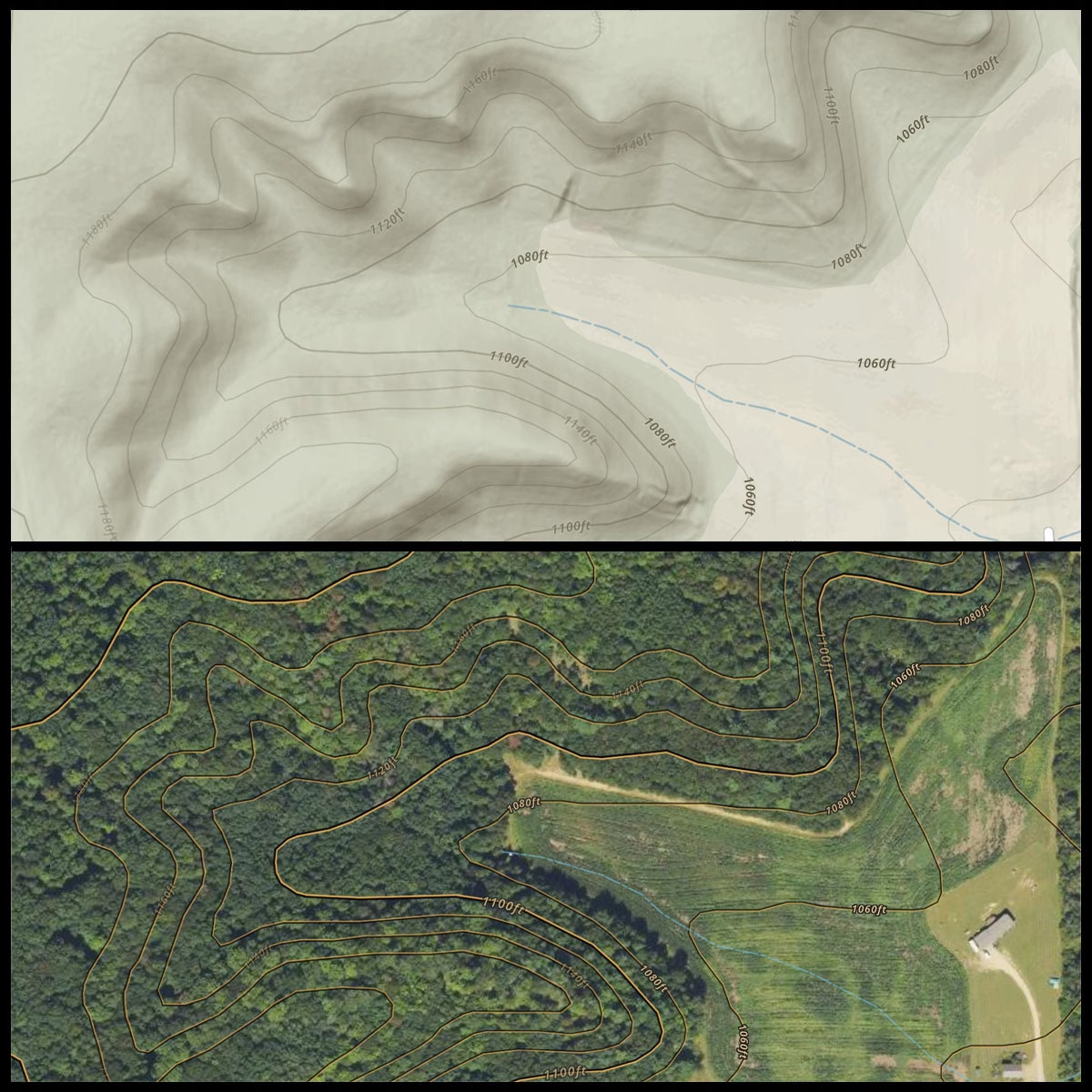
Accessibility: You’re likely to see lots of vehicles at the access points and trailheads, but don’t let that deter you. Prepare to hike, maybe only a few hundred yards or perhaps as far as two miles, to get into the best hunting terrain. If possible, you’re going to want to hike a ridge, maintaining your elevation as you work into the interior.
Keep your eyes peeled for deer sign—maybe a rub or a scrape, or a well-used trail. If you’re packing a treestand, the very best spot to erect it is on the nose of a distinct ridge that overlooks a saddle. Bonus points if you can find a good tree that commands the spot where two major ridges meet.
Some access points will be at the lower margins of the property, in which case you have some climbing to do. Find the dominant ridge of the parcel and hike up it, keeping your eyes peeled for sign.
In areas where water is abundant, look for mast-producing trees. In areas where water is limited, look for little seeps and springs—places that might concentrate deer.
Hunting Style: Your hunting style in these woodland habitats will likely be from a treestand. Many public properties don’t allow permanent stands, so think about bringing a climber and setting up over a defined trail. Alternatively, try making a mock scrape, and see if it’s being tended. If it is, that’s the spot for your stand, just downwind of the scrape. This is the perfect terrain for stump-sitters, folks who simply plop down and watch. It’s an old and very effective method for woodland hunting.
If you intend to hunt from the ground, plan on using deadfall and slash vegetation to build a ground blind. No need to bring in a commercial blind, especially if it limits your mobility.
What Makes Farmland Deer Movement Different?
Accessibility: Most huntable properties that fall into this landscape type are private grounds enrolled in a walk-in program. That’s because, as mentioned, farmland is generally too valuable to be devoted exclusively to the public domain. For the purposes of this piece, we’ll assume that farmland is private and that usage restrictions limit the style of hunting on these properties.
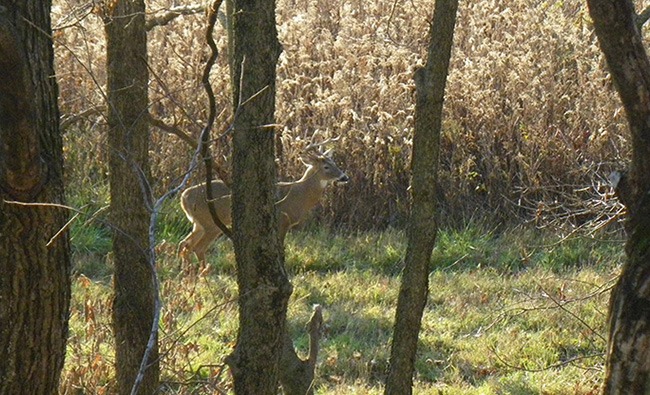
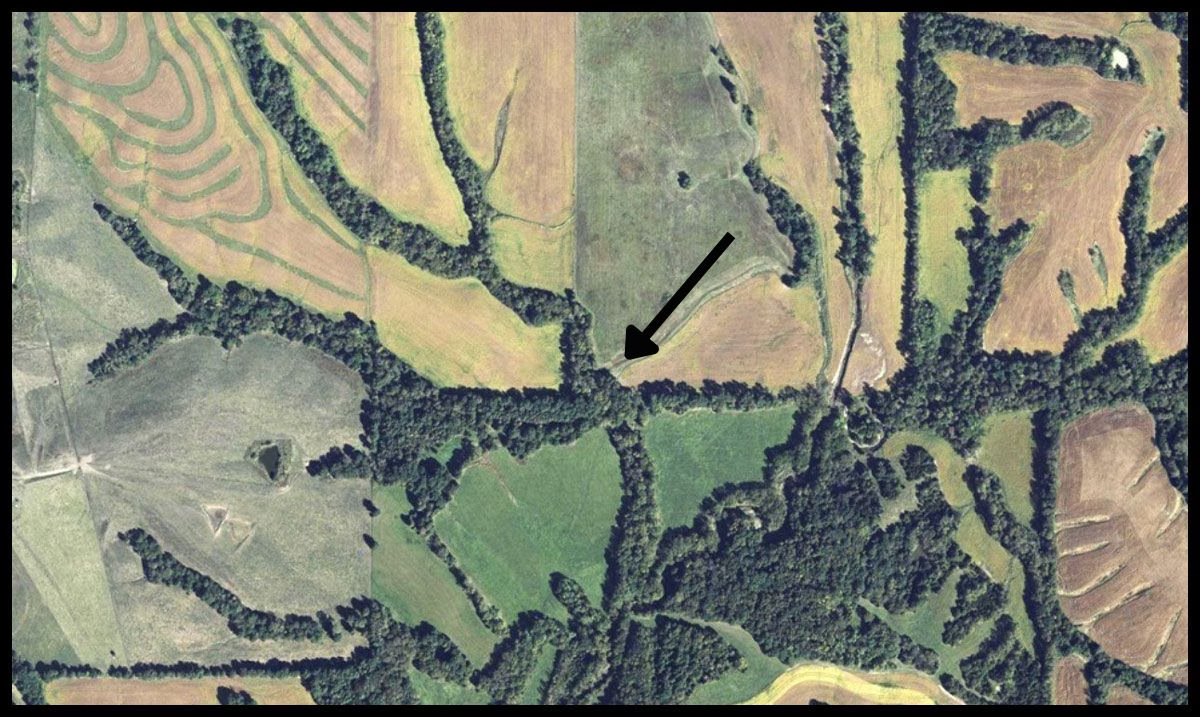
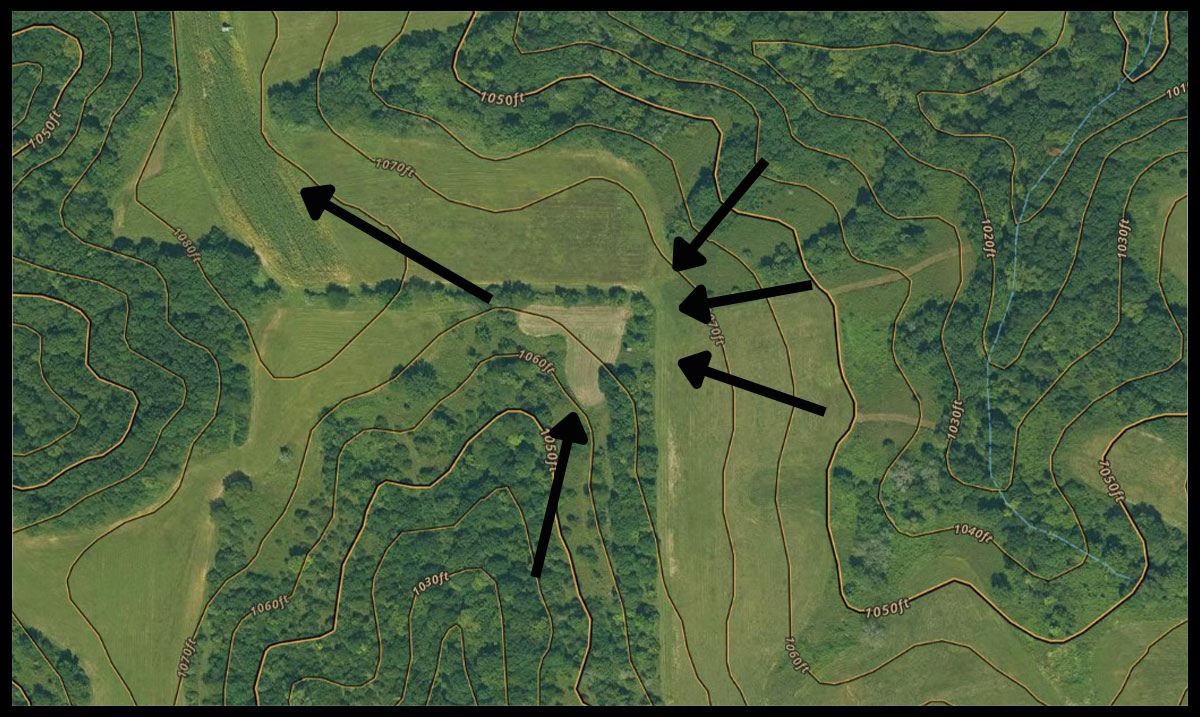
These landscapes range from the monoscapes of the Great Plains wheat belt to the corn and soybean country of the Midwest to the smaller pastures of the Southeast. What they all have in common, however, is very productive edge habitat, the line between cropland and nearby woods, or pasture and brushy cover. You should be hunting that edge.
Hunting Style: Prevailing wind direction can make or break your hunt. Walk that edge, looking for places where deer routinely jump a fence, rub a cedar fencepost or where they scoot between hiding cover and feeding areas. Because deer tend to be equal-opportunity foragers, it can be hard to tell precisely where they feed, but you should be able to identify these movement corridors.
If you can’t predict wind, identify stand locations on either side of a corridor. But if there’s a prevailing wind, set up downwind of the crossing and plan to be in place in the evenings. These are typically not morning spots, but they are good places to intercept deer moving from cover to feed in the evenings.
Why Are Mountains a Different Challenge for Hunters?
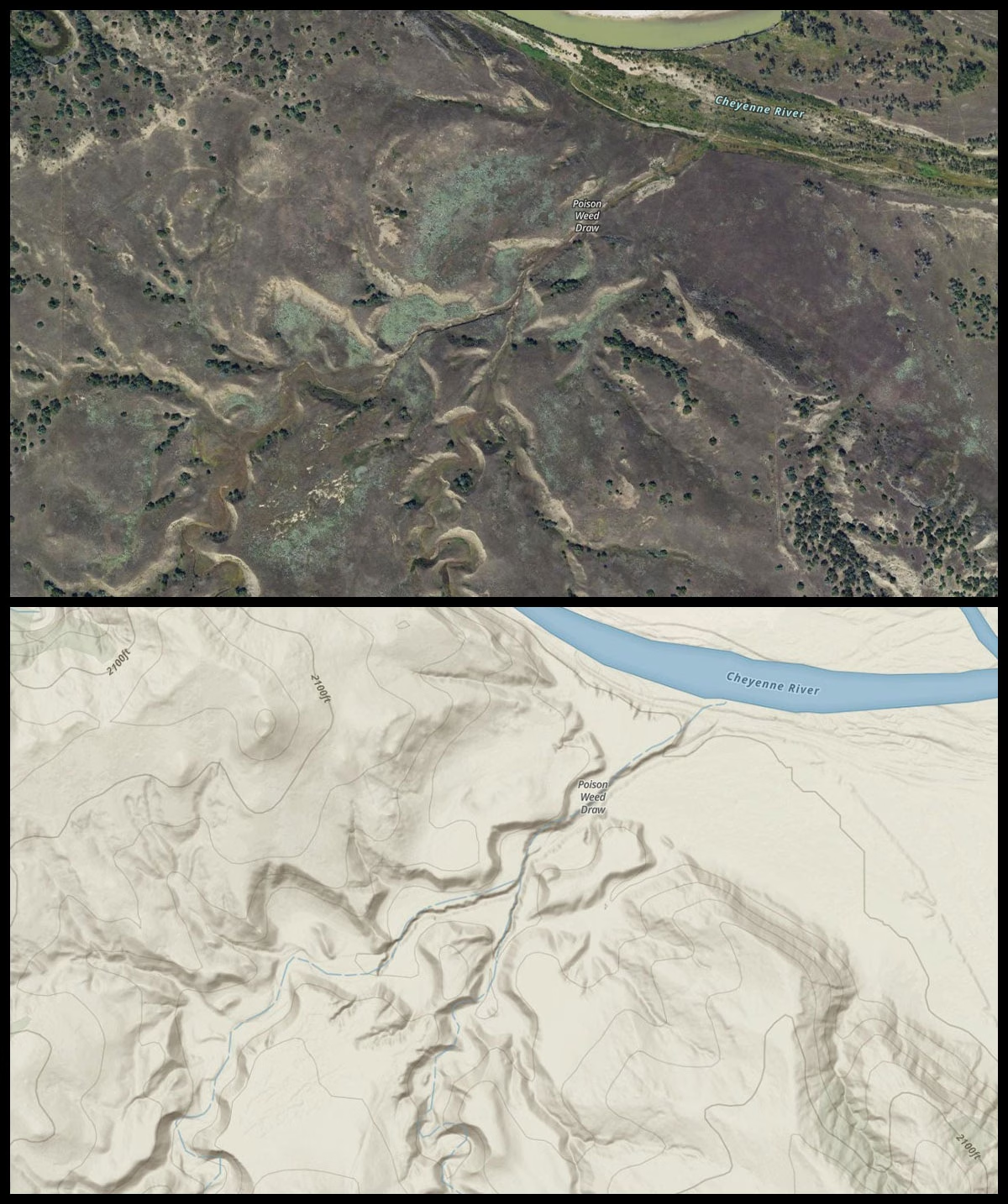
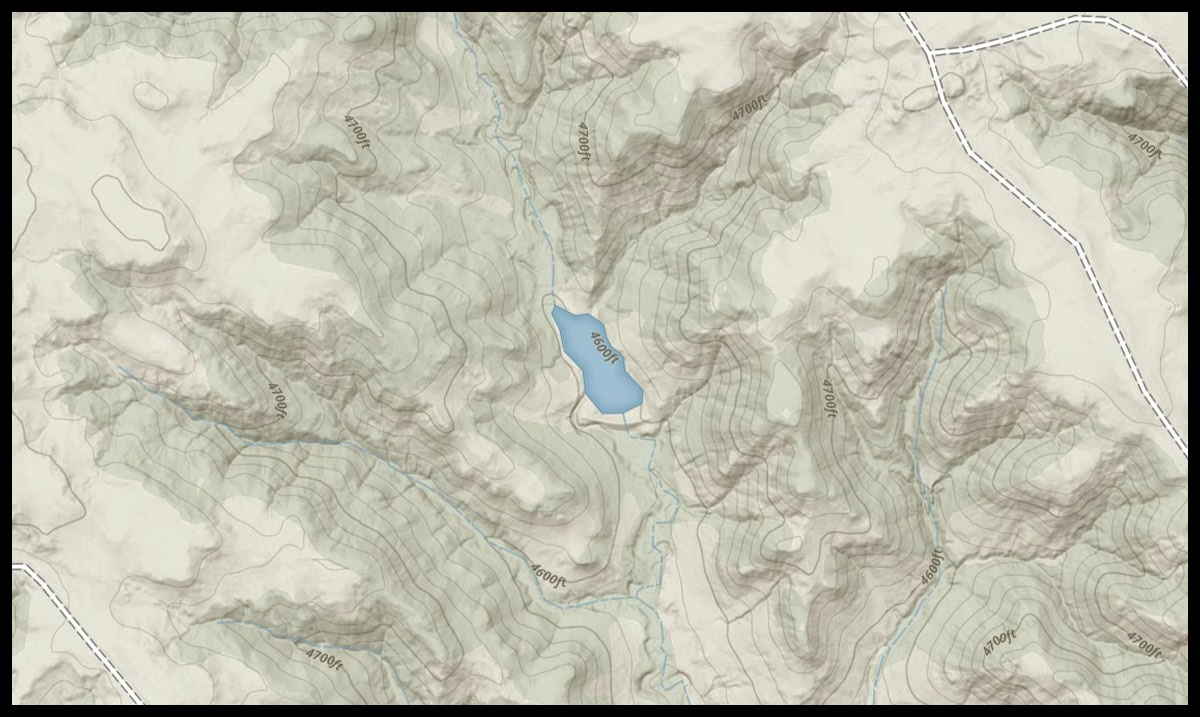
These spots are more limited, largely because their carrying capacity for deer is more limited. I’m thinking here about the mule deer country of the West, where deer movement is influenced by the seasons more than by daily rituals like feeding or moving to and from bedding cover.
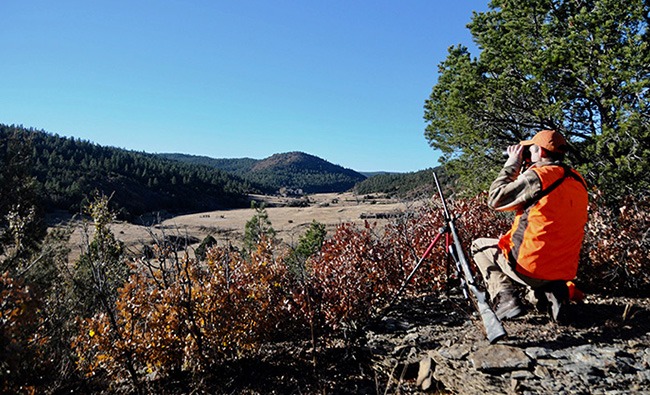
Accessibility: When thinking about seasonal migration corridors, target your scouting and hunting activity on food sources. Think about the lower-elevation attractants for deer. Maybe that’s an irrigated alfalfa field where they’ll find succulent forage once frost nips the higher-elevation plants. Or perhaps it’s a cut corn field adjacent to weedy bedding cover.
Hunting Style: Regardless, you want to find those riparian corridors that offer easy access from the high country to the foothills. Finding fresh sign can be tough here, since the transitional landscapes are often dry and rocky. So instead, hunt the weather. Wait for a snowstorm to hit the high country, and then set up on a promising canyon a day or two later. If you’re in the right place, you should start to see does and yearlings moving downhill. The mature bucks will wait a couple of days and then start to move.
Good hunting strategies for this landscape include using a spotting scope set up on a vista that allows you to look into a number of drainages, a pack that is stout enough to pack out a portion of a deer but light enough so it won’t slow you down as you intercept promising bucks, and a GPS with a landowner chip that will alert you when you reach that public/private land interface.
What Role Does Wind Play Across All Terrains?
No matter where you hunt, wind direction is the invisible factor that makes or breaks a hunt. Deer trust their noses above all else. If your scent blows into a bedding area or along a trail, a buck will know you’re there long before you see him.
In the woods, swirling winds can be tricky, so set up just downwind of a funnel or trail. In farmland, hunt with the wind pushing your scent across open fields rather than into cover. In mountains, shifting thermals in the morning and evening require constant adjustment.
What Role Does Wind Play Across All Terrains?
No matter where you hunt, wind direction is the invisible factor that makes or breaks a hunt. Deer trust their noses above all else. If your scent blows into a bedding area or along a trail, a buck will know you’re there long before you see him.
In the woods, swirling winds can be tricky, so set up just downwind of a funnel or trail. In farmland, hunt with the wind pushing your scent across open fields rather than into cover. In mountains, shifting thermals in the morning and evening require constant adjustment.
Conclusion: Let the Land Be Your Guide
Every landscape tells a story—and deer hunters who learn to read it are the ones who fill their tags more often. Woodlands demand mobility and attention to natural funnels. Farmland rewards careful observation of edge habitat. Mountain hunting calls for endurance and an eye for migration corridors.
The key is adjusting your tactics to the terrain in front of you. Think like a deer: Where would you bed, feed, and travel safely? Answering that question—combined with watching the wind—unlocks consistent success.
So whether you’re glassing a ridgeline, waiting along a hedgerow, or slipping quietly through timber, remember: the land itself is your best guide. Learn its language, and the deer will follow.
Special thanks to StepOutside.org for providing this insightful content.

Andrew McKean
Quick Takeaways: Reading the Land for Deer Hunting
Focus on funnels (ridges, saddles, creek crossings) and stay mobile with lightweight setups.
FAQ: Deer Hunting in Different Terrains
Hunters often ask practical questions about adapting their tactics to different landscapes. These answers cover the most common terrain-specific challenges and strategies.
Deer Hunting Strategies
Field to Fork: Venison Recipes
Venison is lean, healthy, and full of flavor. From simple burgers and chili to roasts and stews, it’s a versatile meat that turns your harvest into delicious meals for family and friends.

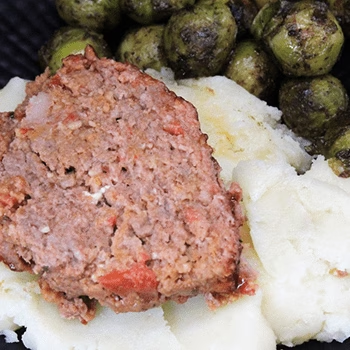
Smoked Venison Meatloaf Recipe
Everyone needs a little comfort food from time to time, and meatloaf definitely fits the bill.
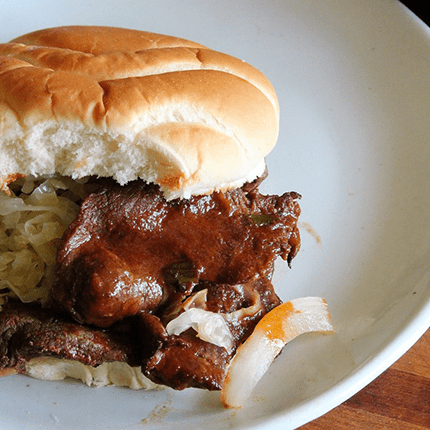
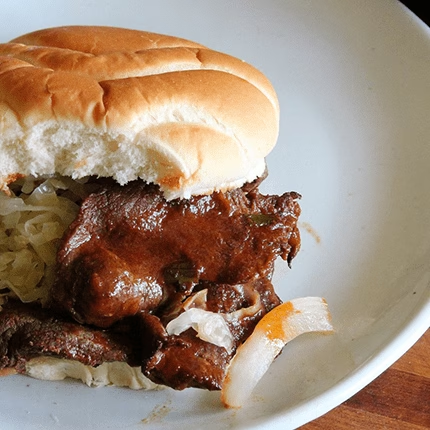
BBQ Venison and Sauerkraut Sandwiches
These quick and easy BBQ sandwiches are perfect for a quick venison meal.
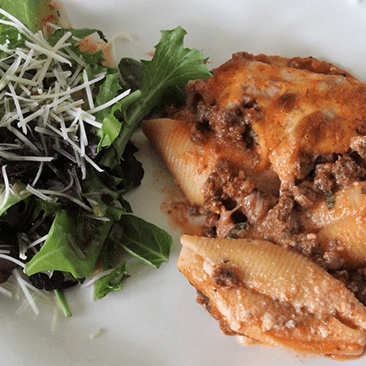
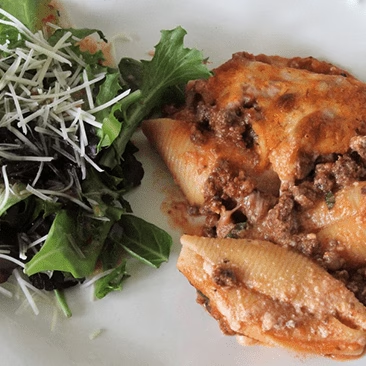
Stuffed Shells with Venison Meat Sauce
This Stuffed Shells with Venison Meat Sauce recipe will hit the spot.
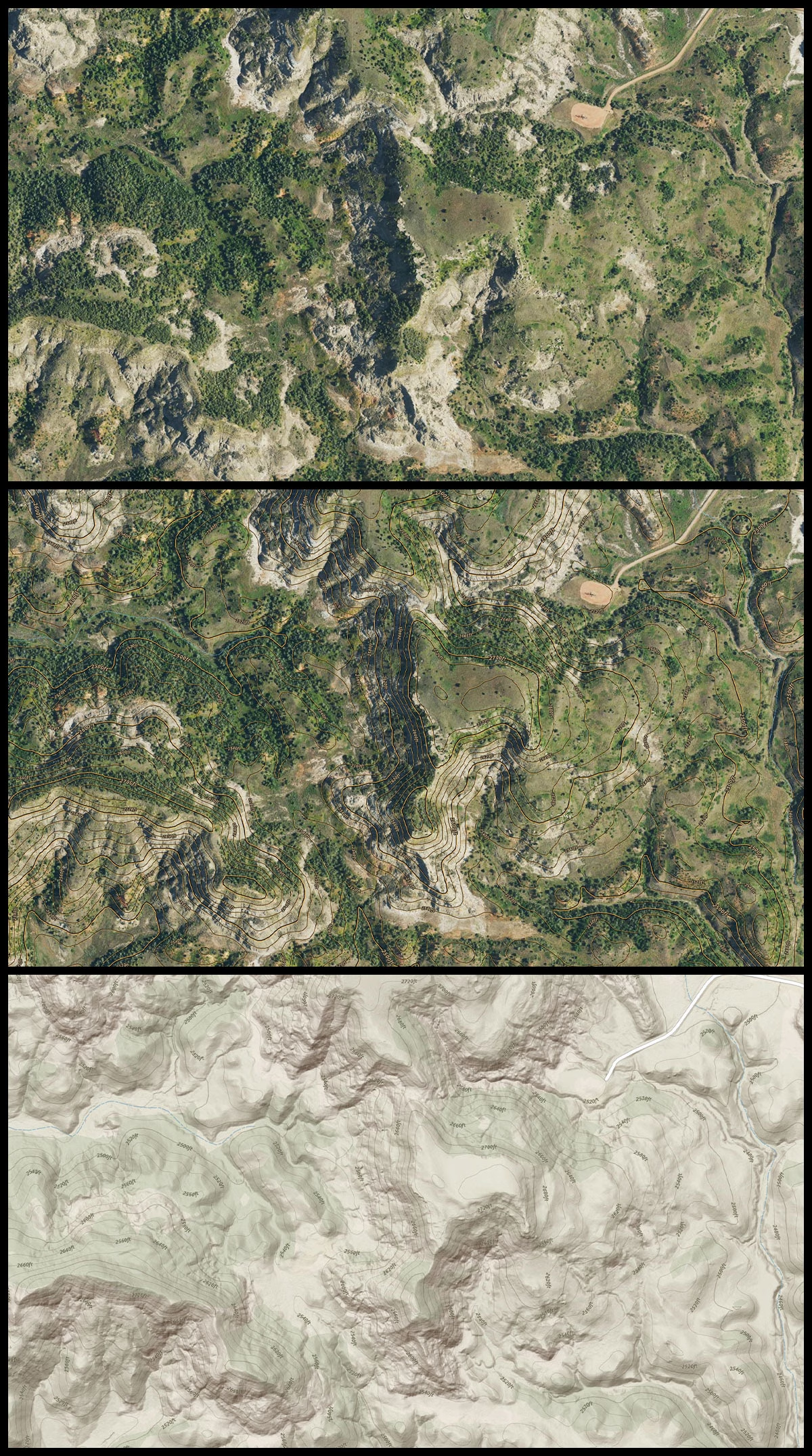
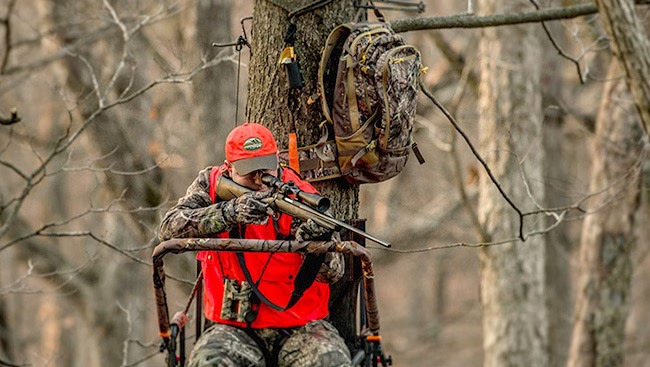 Very rarely do deer "drop in their tracks" at the shot. Once you make your shot, stay focused on the deer noting where it was when you fired and the direction it took off in.
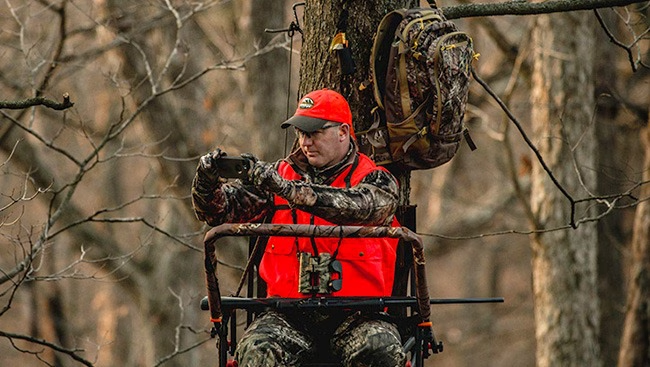 Before you leave your stand, use your phone to take a photo of where the deer was standing when you shot and the landmark where you last saw the deer before it disappeared.
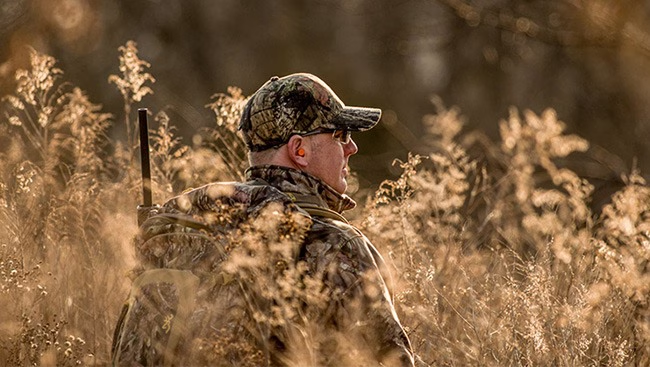 When looking for a blood trail, heavy signs higher up on bushes or spurts off the trail may indicate arterial bleeding, which means you should find your deer shortly.
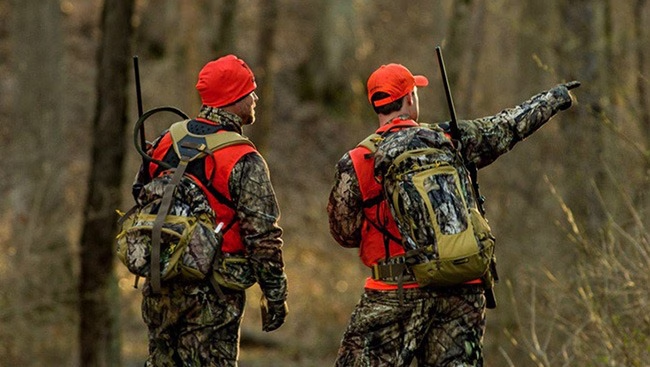 If you simply cannot find a blood trail of any kind, divide the land where you last saw the deer into a grid and walk each grid point until you find the deer or a sign of its trail.
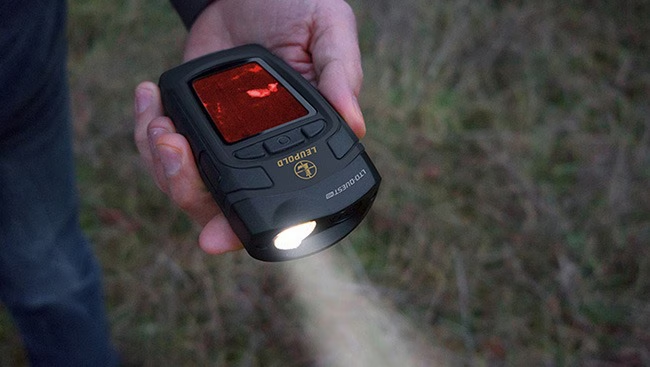 Photograph Courtesy of Leupold® & Stevens, Inc.