Introducing the Next Generation of Hunters—Part 2
By Jason Houser
In Part 1 of this column, I talked about the details that can help ensure a person you’re mentoring goes from being a new hunter to a life-long hunter. Fun should be at the top of the list there, but you also need to cover the realities of a hunt.
Safety — First, Last, Always
Hunting has one of the lowest percentage rates of accidents of all sports. This is because hunters have been taught right out of the gate that if not handled safely guns can be dangerous — and we take that seriously.
Once your new charge is ready to actually participate in a hunt as a hunter, rather than an observer, firearms safety should be the first thing you teach them. If you’ve been doing your job as a mentor up to this point, you will already have imparted many lessons — load your gun only after you’re in your treestand or blind, don’t cross a fence with a loaded gun, make sure of your target and what’s beyond it, etc. — but now that the gun will be in their hands, strict attention to all aspects of safe firearms handling must be adhered to until your new hunter is fully, consciously committed to the rules of firearms safety.
When your new hunter is a youth, know that keeping them from holding a firearm only makes them more curious. Under your supervision, allow your children to handle your firearms. Show them how to check and make sure the gun is fully unloaded. Let them hold the weapon and show them how to point it in a safe direction. Explain to them to never take the safety off or to put a finger on the trigger until they are sure of their target and ready to shoot.
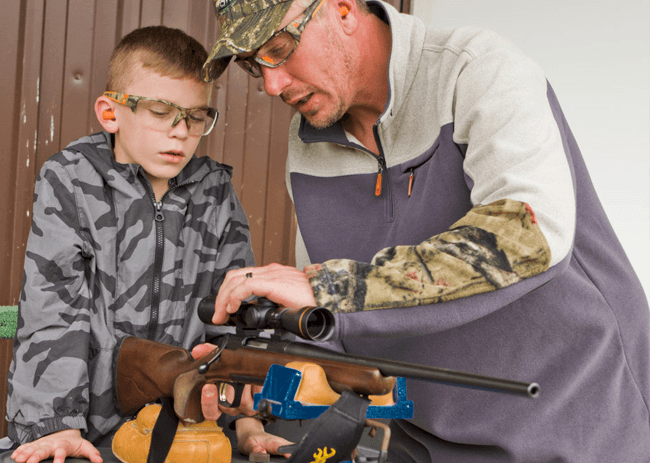
Gun safety is top priority when introducing anyone to hunting.
My first gun was a BB gun. With this gun, I was able to learn how to properly handle a weapon. It’s still a great tool for teaching new hunters safe firearms handling (even adults). Start by treating the BB gun exactly as you would a rifle or shotgun — all the safety rules apply. Allow the new hunter to carry it alongside you in the woods, at first unloaded, and correct their hold, carry or aiming as needed so that the good habits become ingrained.
When your charge is becoming reliable in their handling and demonstrating good safety, introduce BBs into the picture and head to the range for the lessons on aiming, breathing and trigger control. Allow one round in the weapon at a time initially. When both of you are comfortable, move on to a centerfire rifle or shotgun appropriate to the hunt you’ll be participating in.
This is the time to talk about game anatomy and the importance of making a lethal hit. Stress that, in hunting, there is nothing worse than wounding an animal and not being able to recover it. Emphasize that a hunter should exhaust all efforts in the recovery process in the case that an animal is wounded — and explain that at one point in every hunter’s time afield, an animal will be wounded and not found. It’s unfortunate and tragic, but ethical hunters minimize the chances of it happening by practicing with their firearms and understanding how to place a proper, quick-killing hit on the vitals of the game they’re pursuing.
Dealing with the Kill
The death of an animal is part of hunting. Some will have a harder time accepting death than others, especially children. For new youth hunters then, help them understand that although it’s okay to be sad, hunting is important to keeping wildlife populations at healthy, sustainable levels. If you’ve already talked about that when they joined you in the field as an observer, it will be easier for them to see that hunting isn’t just about the killing.
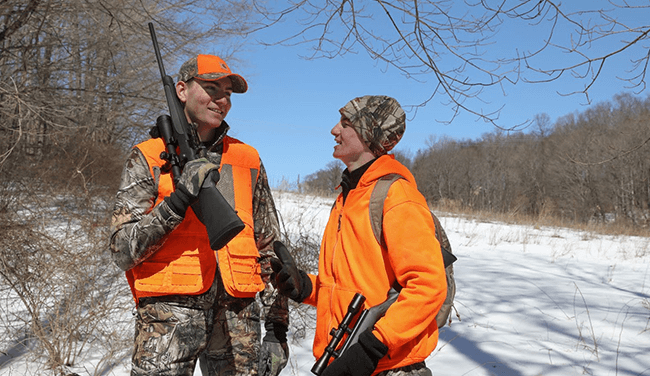
Whether it is hunting deer, squirrels or anything in between, it is vital to be a positive role model.
Sadness isn’t the only reaction you’ll get from a hunter who has successfully taken their first game animal. Some will rejoice at a kill, others will be sad, and some will be scared to death. Whatever their reaction is should be acceptable, so long as they show respect for the animal.
Understand that some will not be able to wait for their next hunt while others will not want to go hunting again. When the latter happens with a child, particularly younger kids, leave it at that. Do not pressure him or her to hunt again, as it will only drive them further away. Sometimes people, kids included, need time to digest the totality of hunting and will return to participate again whenever the “I’m ready” strikes them — but undue pressure is a sure way to make sure that “ready” never happens.
Their First “Trophy” is Whatever They Want it to Be
A new hunter should be allowed to harvest any legal animal. That may not be your choice. If you are, say, a deer hunter who won’t shoot anything less than a 130-class buck, that’s fine. Just don’t expect someone who’s just getting excited about hunting to show that kind of restraint. You want this to be fun! Asking a new hunter to continually pass up shots on legal game just because you wouldn’t take them is a great way to kill off their enthusiasm.
Emphasize the Positive
Every experienced hunter made mistakes on the way to getting that experience. If we were lucky, we had someone alongside us to correct us as we went along.
That’s the position you’re in now, as a mentor, the position of making corrections. But a constant stream of “You’re too noisy,” “Sit still” and “Don’t do that” can quickly knock the excitement out of someone new to the hunt.
When you’re in the field with a new hunter, make sure to let them know when they’re doing a good job. Let them know when they’ve made a good shot, handled the firearm properly, and made a good, quick recovery on a downed animal. This will give them the confidence they need to handle firearms safely and hunt on their own

















 A trail camera is a gift that keeps giving all season long. These compact scouting tools help hunters better understand wildlife movement, feeding patterns and habitat use. They’re also helpful for general property surveillance year-round.
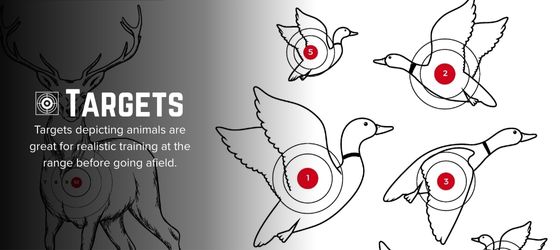 Animal-depicted targets or steel gong plates make training sessions more realistic and engaging before heading afield. Whether practicing archery, handgun skills or sight-ing in a rifle, targets help shooters build confidence and ensure ethical shots on game.
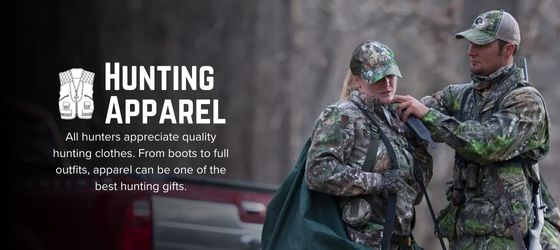 From warm layers to weather-resistant outerwear and high-quality boots, hunters can never have too much reliable clothing. Performance apparel keeps hunters comfortable during long sits and unpredictable weather—something every seasoned hunter can appreciate.
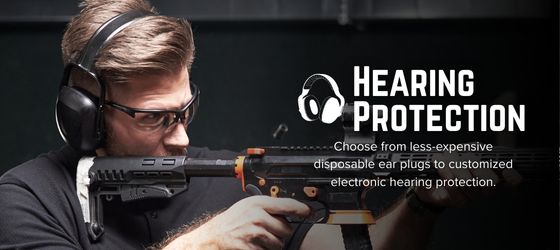 Good hearing protection is essential, whether at the range or in the field. Gift options range from inexpensive foam earplugs to electronic protection with sound-amplification features that allow hunters to remain aware of their surroundings.
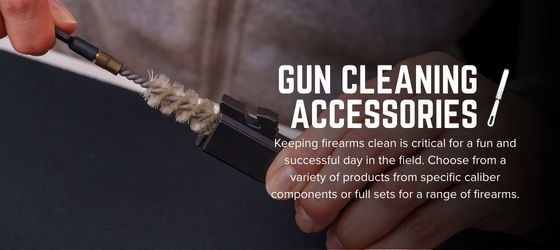 Proper maintenance keeps firearms reliable and safe. Cleaning kits come in all shapes and sizes—from caliber-specific brushes and patches to full multi-caliber sets for hunters with several firearms.
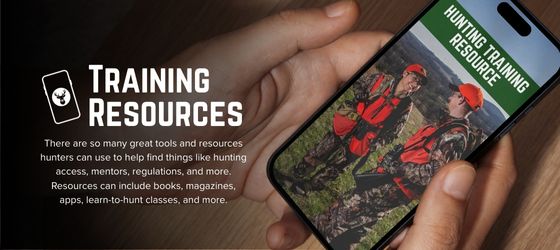 Books, magazines, apps and online tutorials can open the door to new skills and deeper knowledge. You can also gift a registration to a learn-to-hunt class, mentored hunt or range session.
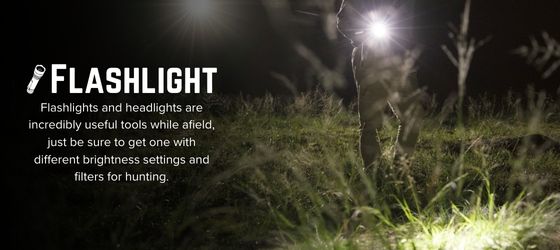 A dependable headlamp or flashlight is a must-have for walking in before sunrise or navigating out after dark. Look for models with adjustable brightness settings and colored filters (like green or red) to avoid spooking game.
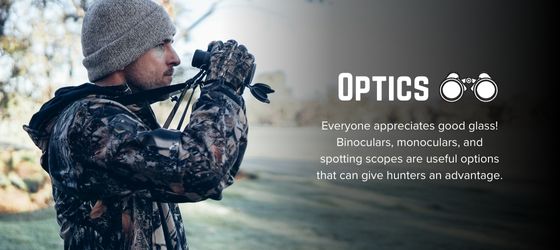 Few upgrades make as big a difference as quality glass. Whether spotting distant game or verifying antler characteristics, optics help hunters make better decisions afield. They also make wildlife-watching enjoyable year-round.
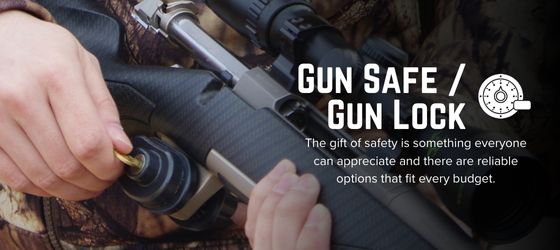 The gift of safety is invaluable. Gun locks, safes and secure storage options come in every size and budget—from compact travel locks to full-size safes. Safe storage protects both families and firearms.
Learn more in NSSF’s
The gift of safety is invaluable. Gun locks, safes and secure storage options come in every size and budget—from compact travel locks to full-size safes. Safe storage protects both families and firearms.
Learn more in NSSF’s 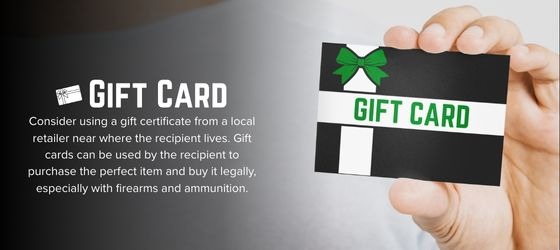 When in doubt, let them choose! A gift card to a local sporting goods retailer allows hunters to purchase the perfect item—and importantly, to do so legally when it comes to firearms or ammunition. Supporting local shops helps strengthen your community, too.
Find retailers near you through
When in doubt, let them choose! A gift card to a local sporting goods retailer allows hunters to purchase the perfect item—and importantly, to do so legally when it comes to firearms or ammunition. Supporting local shops helps strengthen your community, too.
Find retailers near you through